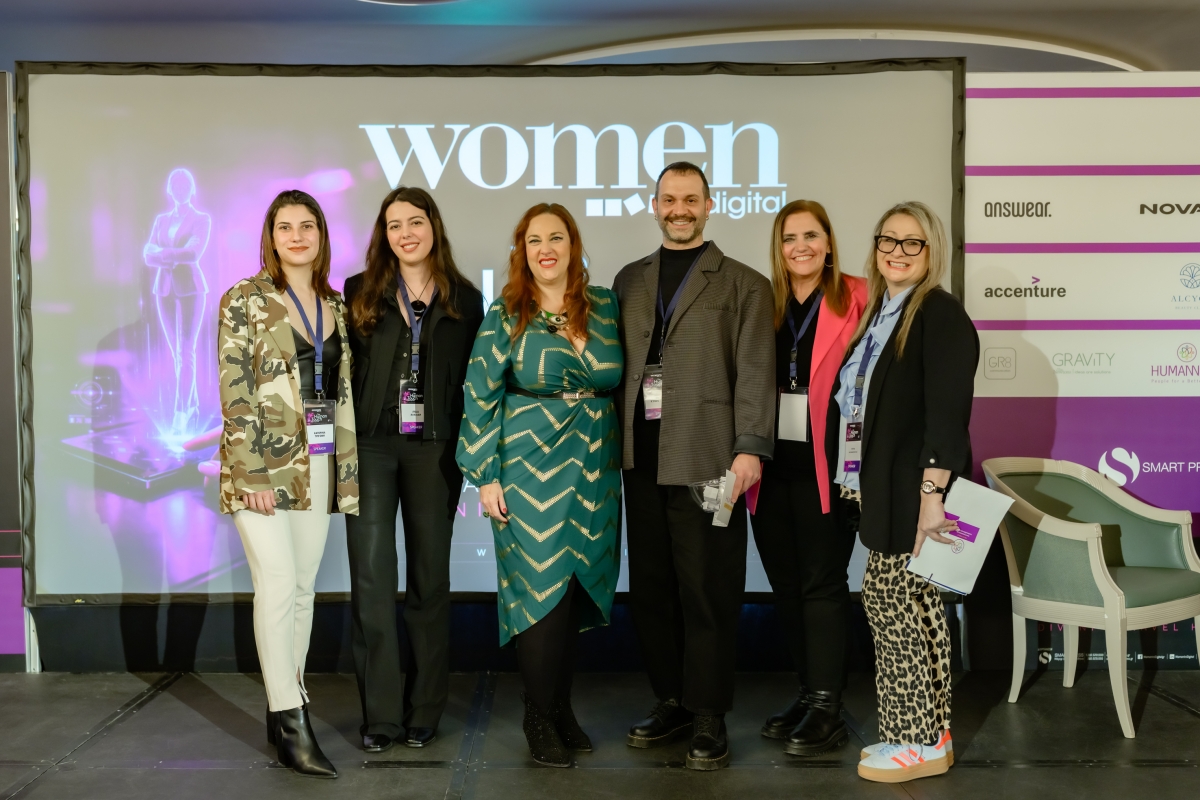
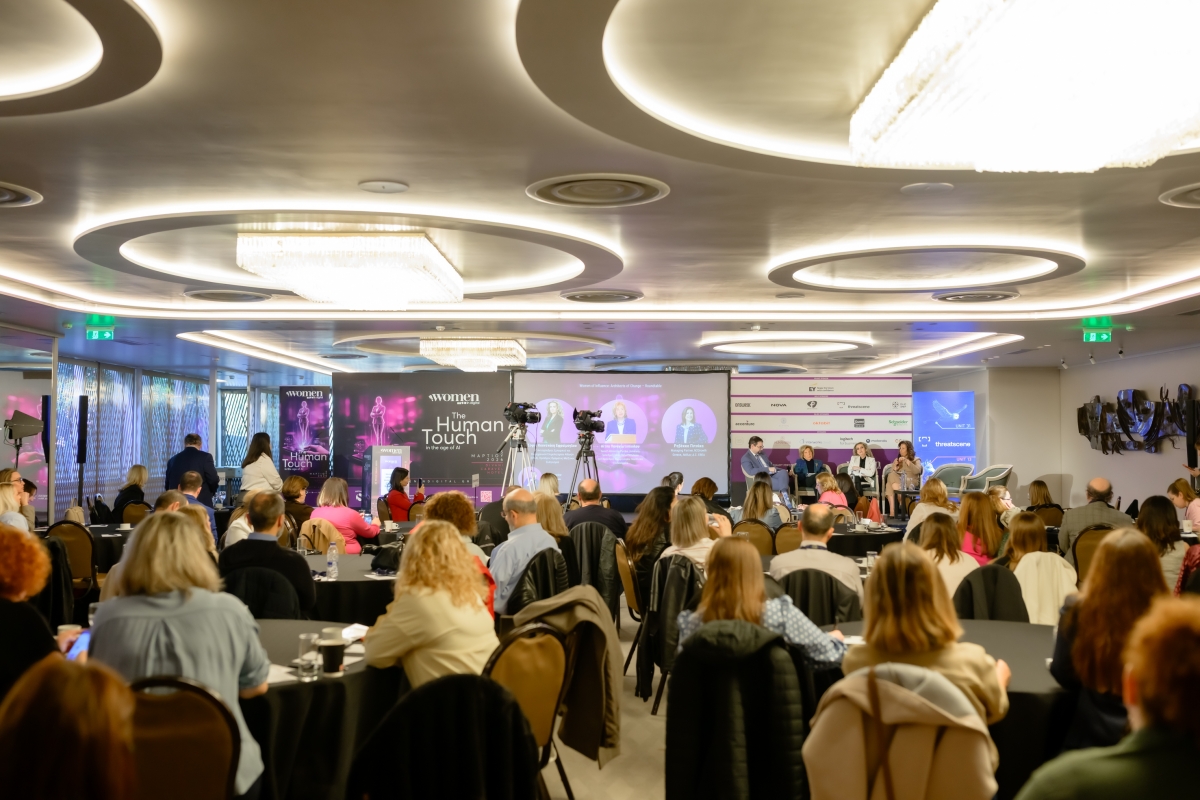
6o Women in Digital - The Human Touch in the age of AI
Technology empowers – Women’s talent leads
The "6th Women in Digital" conference focusing on women and female leadership in the field of technology took place on Thursday, March 5, 2026, at the Divani Caravel Hotel.
The characteristics often associated with the female perspective, such as empathy, intuition, and complex thinking, are key elements that can help ensure that the digital future retains a “human touch,” remaining sustainable, ethical, and meaningful. In this context, key topics were highlighted, including cyber leadership, communication and marketing, women of influence, female leadership in the digital era, the critical role of modern leaders, business remastered, the lifestyle of impact, the transition from data to public value, as well as how different generations are influenced by technological developments. These topics were addressed by distinguished speakers in engaging panel discussions that attracted significant participation.
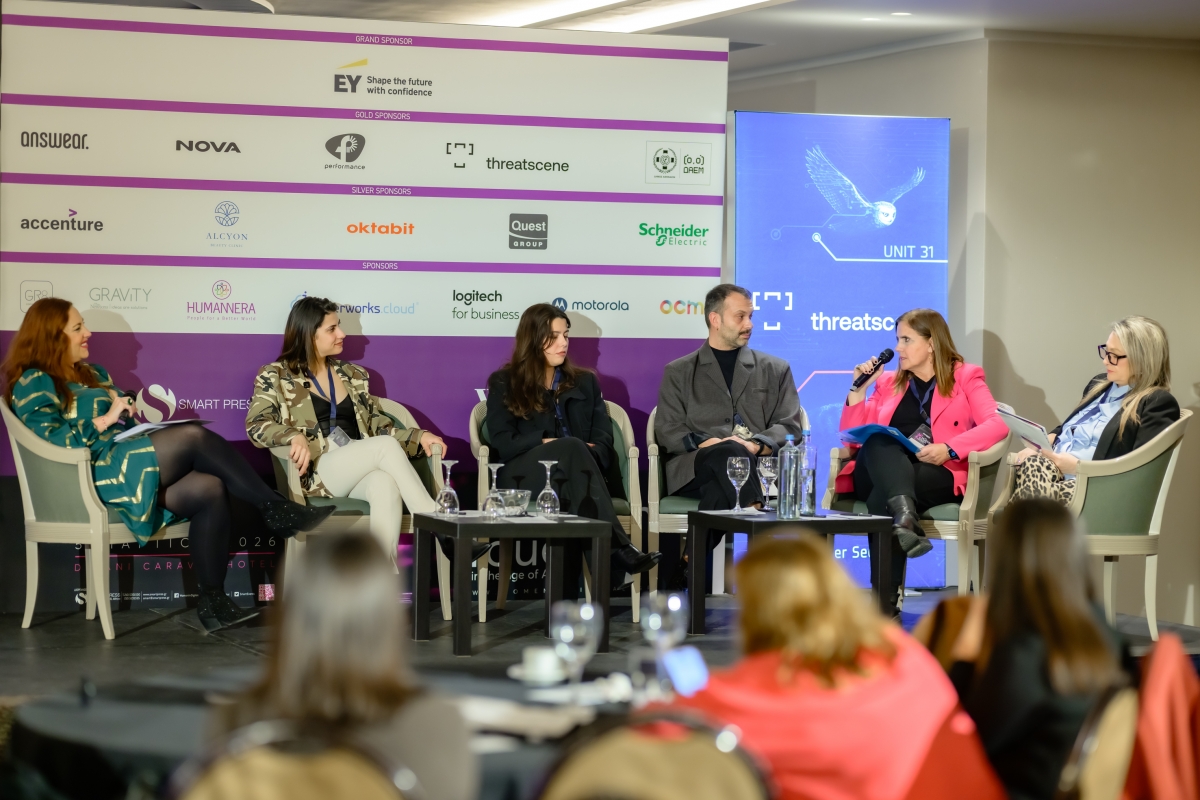
Dr. Eleni Petra, collaborator of the Athena Research Center and Head of the Innovation Unit for Women (WInn), participated in the panel titled “From… fax to ChatGPT: 5 generations, 1 common & exciting future” addressing questions related to the presence of young girls and women in emerging technologies.
Question: Young girls in digital skills and technology: What is the biggest challenge today—lack of skills or lack of confidence?
Answer:
The Information and Communication Technologies (ICT) sector remains predominantly male-dominated, with women significantly underrepresented. Research shows that girls aged 11–12 demonstrate strong interest in STEM fields (Science, Technology, Engineering, and Mathematics), which, however, declines significantly by the ages of 15–16. Despite often achieving higher academic performance than boys, many girls eventually pursue studies in other fields, such as the humanities and social sciences. Although women account for over 40% of STEM graduates, only a very small percentage work in related professions, highlighting a significant gap in the labor market. These findings are also reflected in the outcomes of the international student competition “BEBRAS” (www.bebras.gr), which the Athena represents in Greece. In Greece, women remain significantly underrepresented in technology, engineering, and ICT (STEM) fields, despite the high number of graduates in these areas.
Based on recent research and trends (2024–2025), the main barrier for young girls is not so much the lack of basic digital skills, but rather the lack of confidence (the “confidence gap”), which is reinforced by stereotypes and the absence of female role models. Confidence in STEM decreases as girls grow older, significantly influencing their career choices.
Recognizing this situation, Europe requires well-designed, long-term systemic solutions that will both increase women’s representation in ICT—an example being the European project “Code4Europe,” in which Athena participates as a partner—and have a positive, long-term impact on addressing labor market needs. In recent years, Europe has been promoting awareness-raising initiatives aimed at transforming broader social norms and corporate culture. There is a growing need to empower women across their diverse social roles, foster a shift in mindset at both societal and organizational levels, and strengthen support through education for young people.
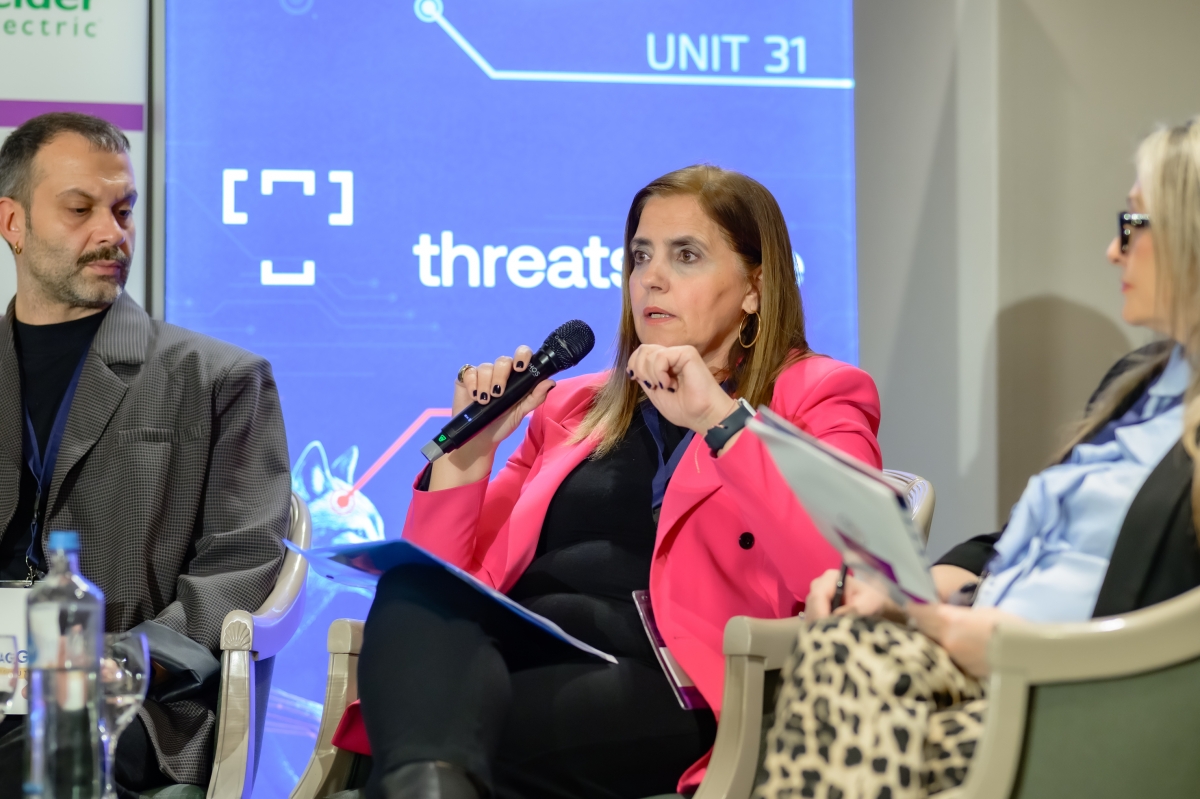
Question: If we truly want more women in technology, where should change begin: in the education system, in companies, or in social stereotypes? (Or does gender no longer matter in the new era?)
Answer:
Change requires a holistic approach. The education system must strengthen both digital skills and confidence, companies must promote more inclusive environments, and social stereotypes must be actively challenged. At the same time, the promotion of more female role models is crucial in building confidence among young girls.
According to trends for the period 2025–2030 and analyses by the World Economic Forum, the most important “skill” of the future is not a specific technical expertise, but a capability: adaptability and lifelong learning. In a world where Artificial Intelligence (AI) and technology are reshaping the labor market every 3–5 years, the ability to continuously reskill is a key factor for success. Moreover, adaptability combined with critical thinking, emotional intelligence (EQ), and AI literacy forms a set of skills that machines cannot easily replicate.
In summary: The most important skill is not what we know today, but how quickly we can learn what will be needed tomorrow.
More information about the conference themes and program: https://womenindigital.gr/