Athena Research Center’s Presence at the 90th TIF
Research, Technology and Outreach
15-09-2026
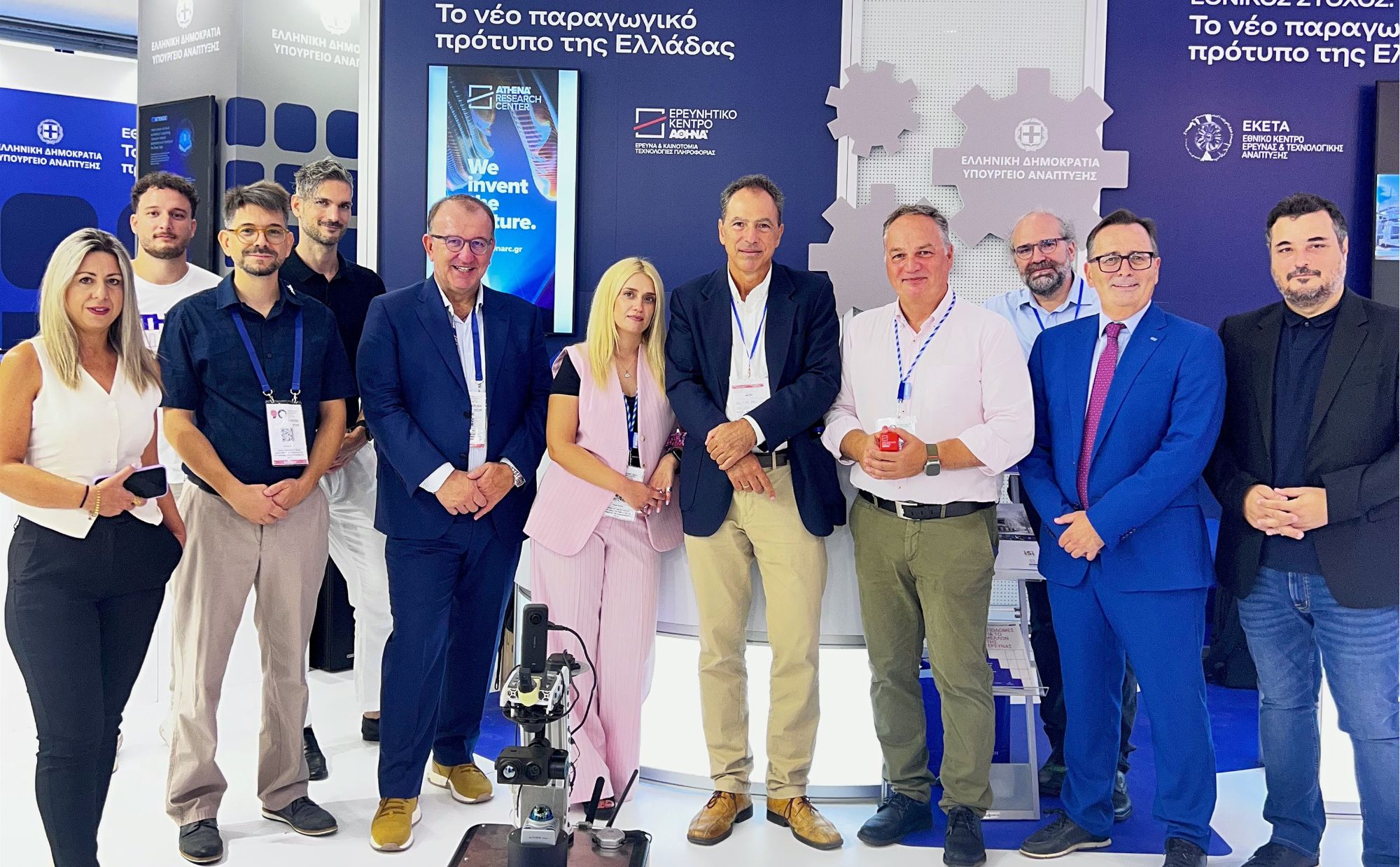
With a strong institutional presence, cutting-edge research applications and technologies, and a diverse program of talks, Athena Research Center concluded its participation in the 90th Thessaloniki International Fair.
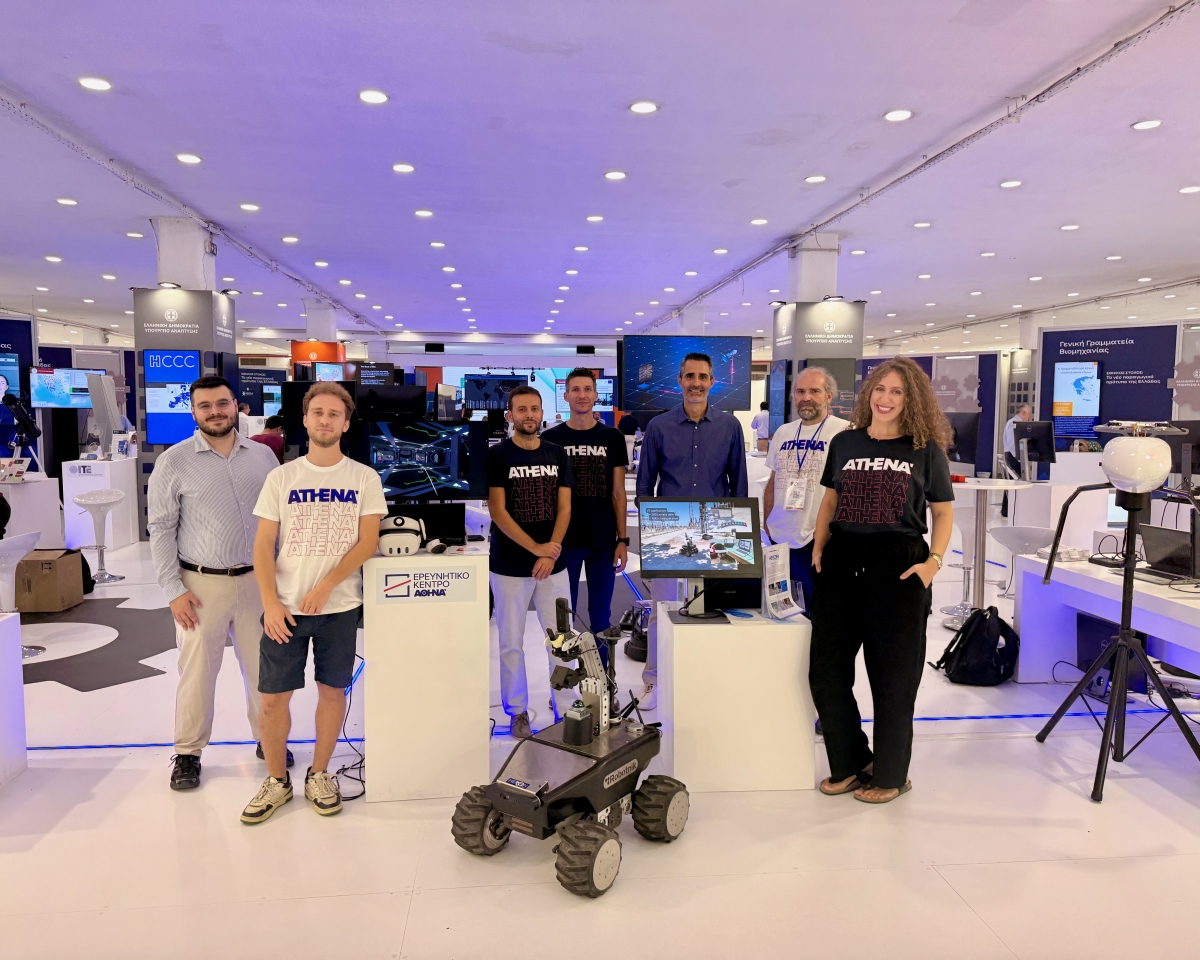
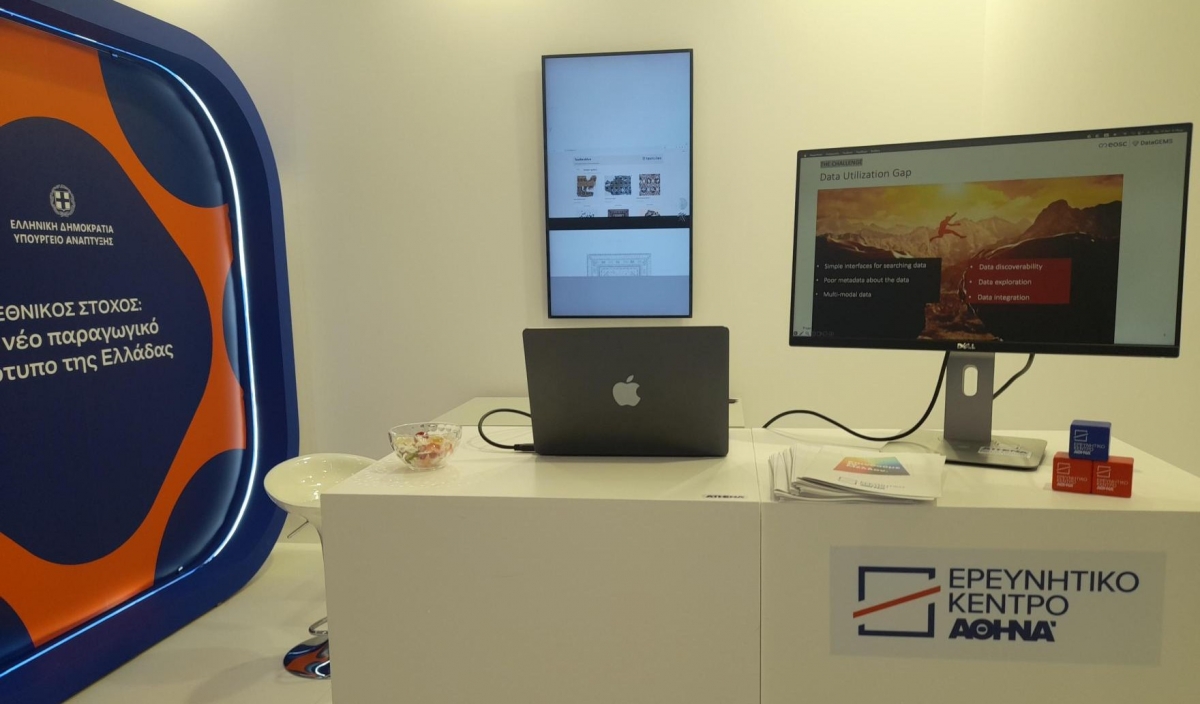
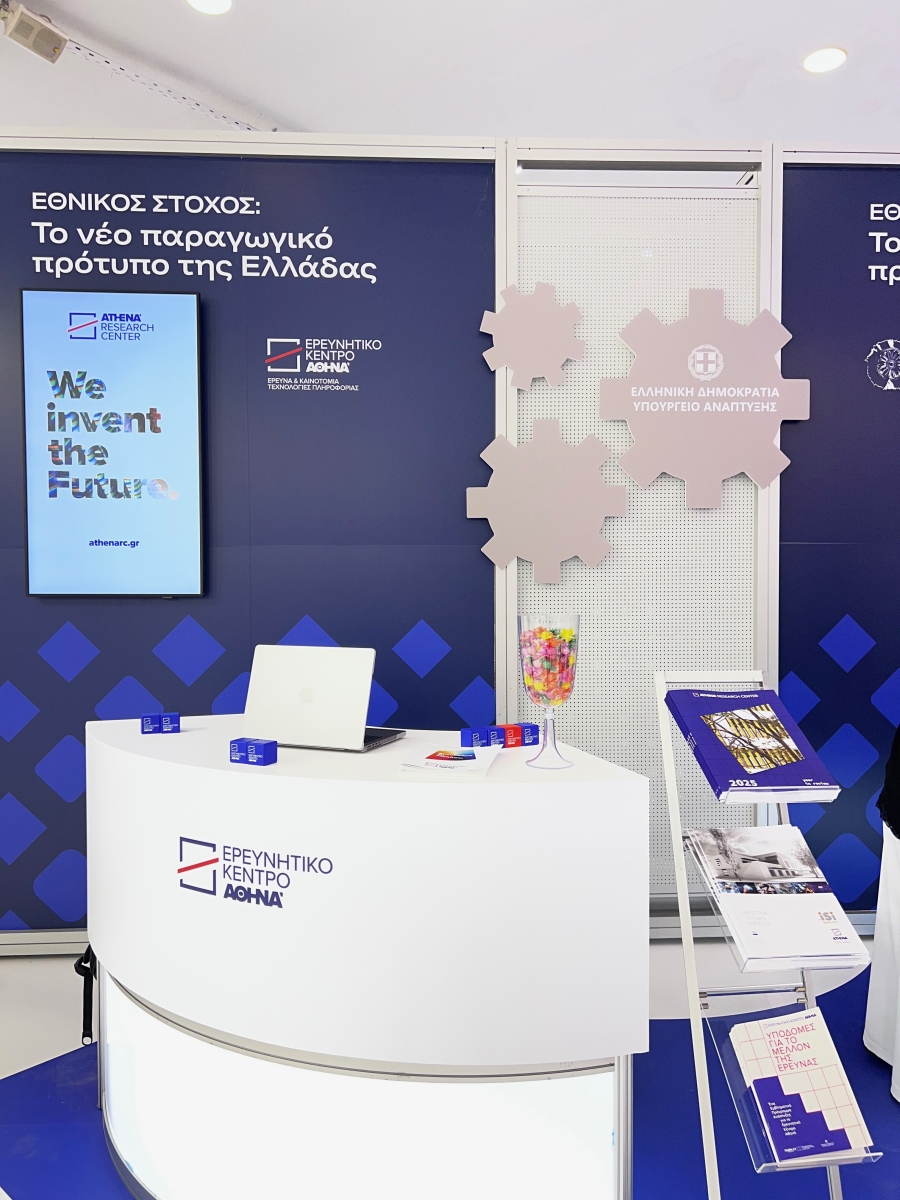
Athena Research Center participated in the 90th Thessaloniki International Fair, held from 5 to 13 September 2026, at Pavilion 7 of the General Secretariat for Research and Innovation (GSRI), presenting a broad spectrum of its research and technological activities. Artificial Intelligence, Robotics, advanced digital technologies, Health, Culture and Sustainable Development were at the heart of a multi-day presence that brought Athena’s research teams into direct contact with the public, government representatives and stakeholders from the research and innovation ecosystem.
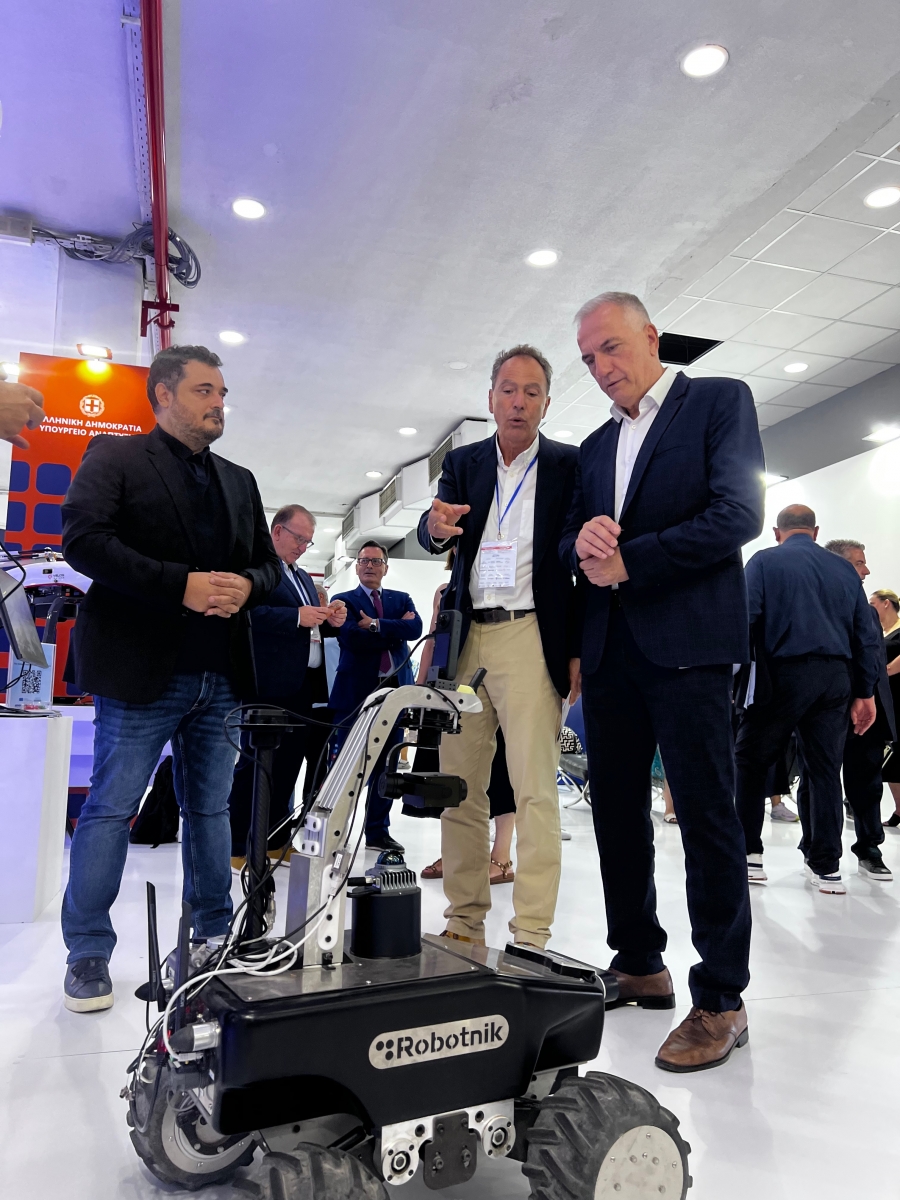
During TIF, Athena’s booth was visited, among others, by Minister of Development Takis Theodorikakos, Deputy Minister of Development responsible for Research and Innovation Stavros Kalafatis, and Secretary General for Research and Innovation Dimitris Terzis. During their visits, they met with Professor Ioannis Emiris, President of the Board and Director General of Athena Research Center, Dr Vassilis Katsouros, Director of the Institute for Language and Speech Processing, and Professor Chrysostomos Stylios, Director of the Industrial Systems Institute. The President briefed them on new technologies being developed at the Center and guided them through the exhibits, where they had the opportunity 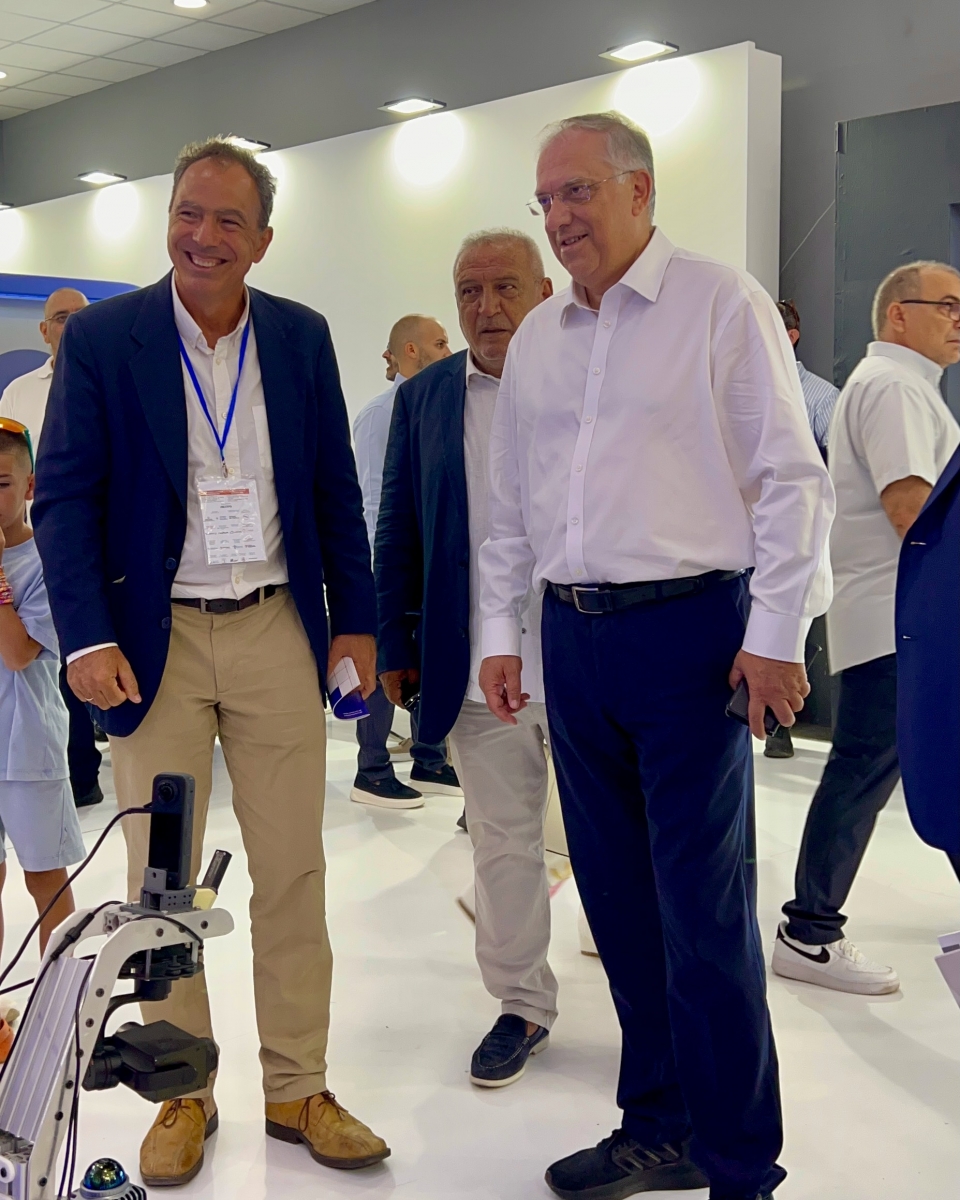 to explore the applications first-hand and engage with the researchers behind them.
to explore the applications first-hand and engage with the researchers behind them.As part of the Fair’s institutional program, Professor Ioannis Emiris, President of the Board and Director General of Athena Research Center, participated in the GSRI event “Research and Innovation: The Greek Ecosystem”, which highlighted the organizations and capabilities of Greece’s research and innovation ecosystem, with particular reference to international cooperation. The event was opened by Deputy Minister of Development Stavros Kalafatis and Secretary General for Research and Innovation Dimitris Terzis, while a delegation from the Japanese government also participated, as Japan was the Honored Country of the 90th TIF.
In his remarks, Professor Ioannis Emiris referred to Athena’s existing research collaborations with Japan, while highlighting opportunities to further strengthen ties and develop new synergies between the two countries in Research and Innovation.
 As part of GSRI’s programme of presentations by its supervised organizations, Professor Ioannis Emiris, President of Athena Research Center, presented the Strategic Infrastructure Program of Athena Research Center, outlining the scale of the transformation underway and the new opportunities it creates for the Center’s future development.
The President presented Athena’s dynamic growth in recent years and the program of new and upgraded infrastructure that is creating the conditions for the next phase of its development. The overall infrastructure program, amounting to €37 million, includes investments in modern facilities and equipment for research, collaboration and innovation. The presentation focused on the acquisition of Athena’s new 12,250 m² premises in Chalandri, the upgrade of the Center’s headquarters in Marousi, and interventions at its facilities in Xanthi.
Athena’s strong growth over the past five years, both in terms of research activity and human resources, with its workforce more than doubling, underscores the need for infrastructure that matches the Center’s new scale and future prospects.
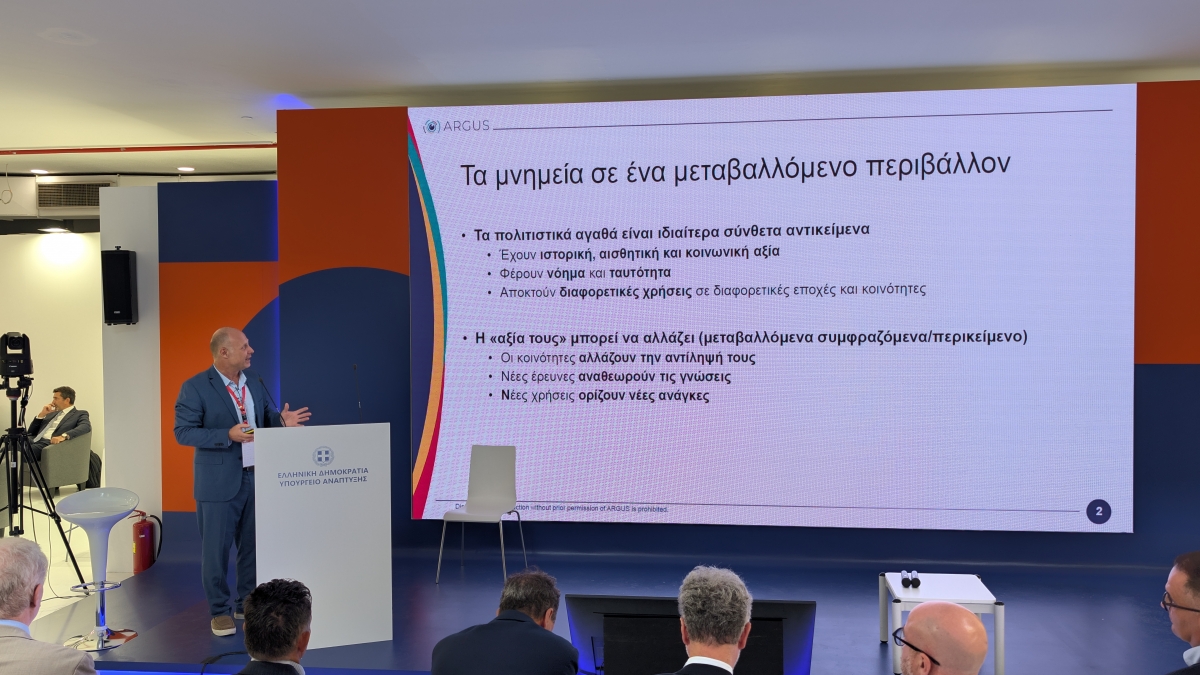
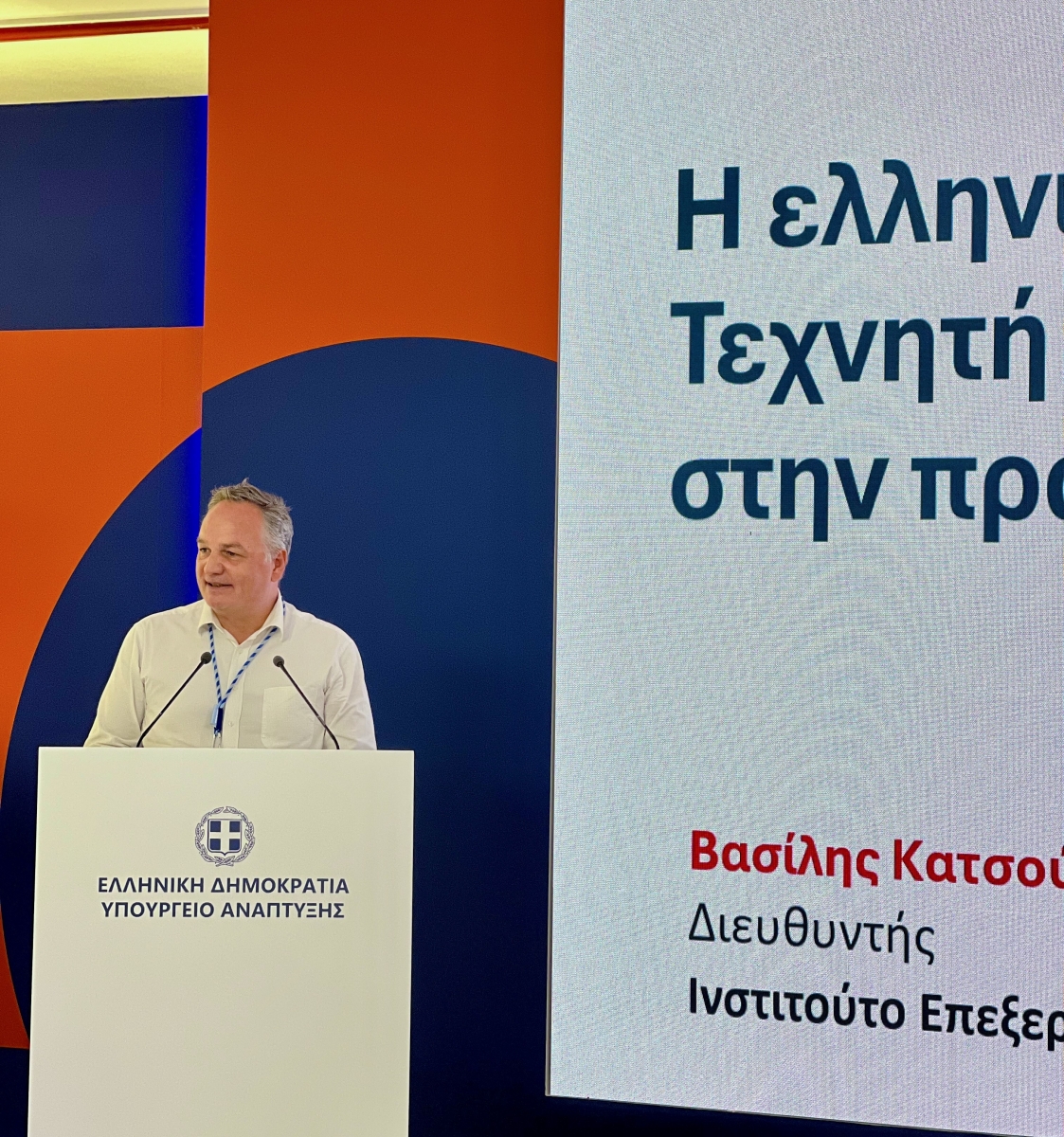
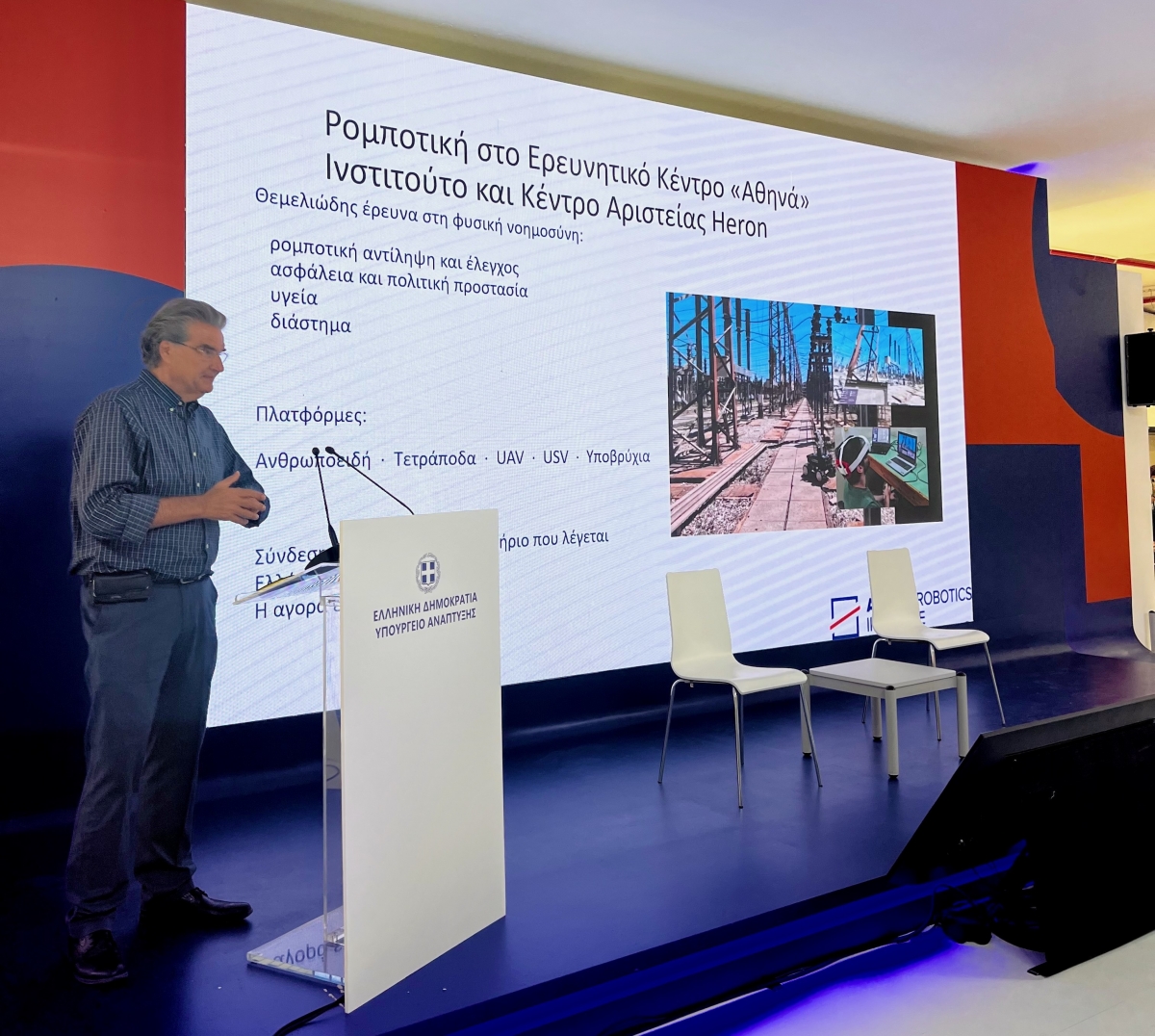 Athena’s program of talks highlighted different facets of contemporary research and its connection to real-world technological, environmental and societal challenges. Kostas Daniilidis, Director of the Institute of Robotics, presented the transition from Artificial to Physical Intelligence and the new challenges it creates for Robotics, while Vassilis Katsouros, Director of the Institute for Language and Speech Processing, focused on Greek Artificial Intelligence in practice, from the open Greek language models Meltemi and Llama-Krikri to the PHAROS AI Factory and the productive deployment of AI technologies. Georgios Pavlidis, Research Director, presented the potential of Digital Twins and Artificial Intelligence for the early identification of risks and the preventive protection of cultural heritage.
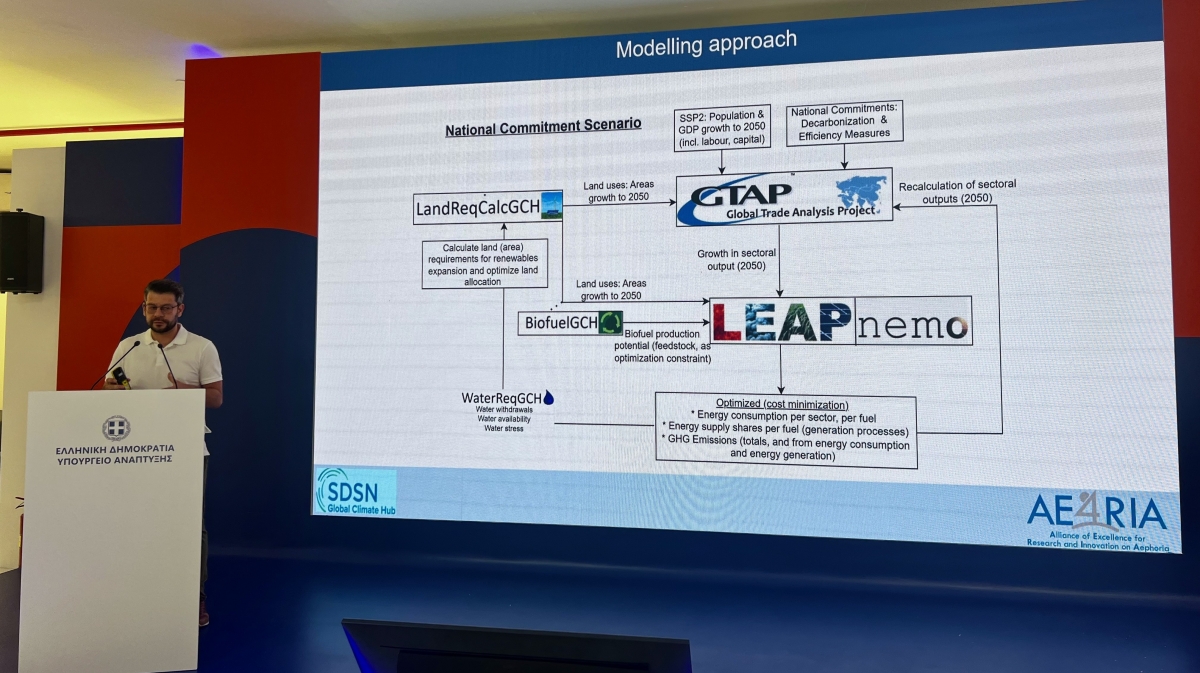
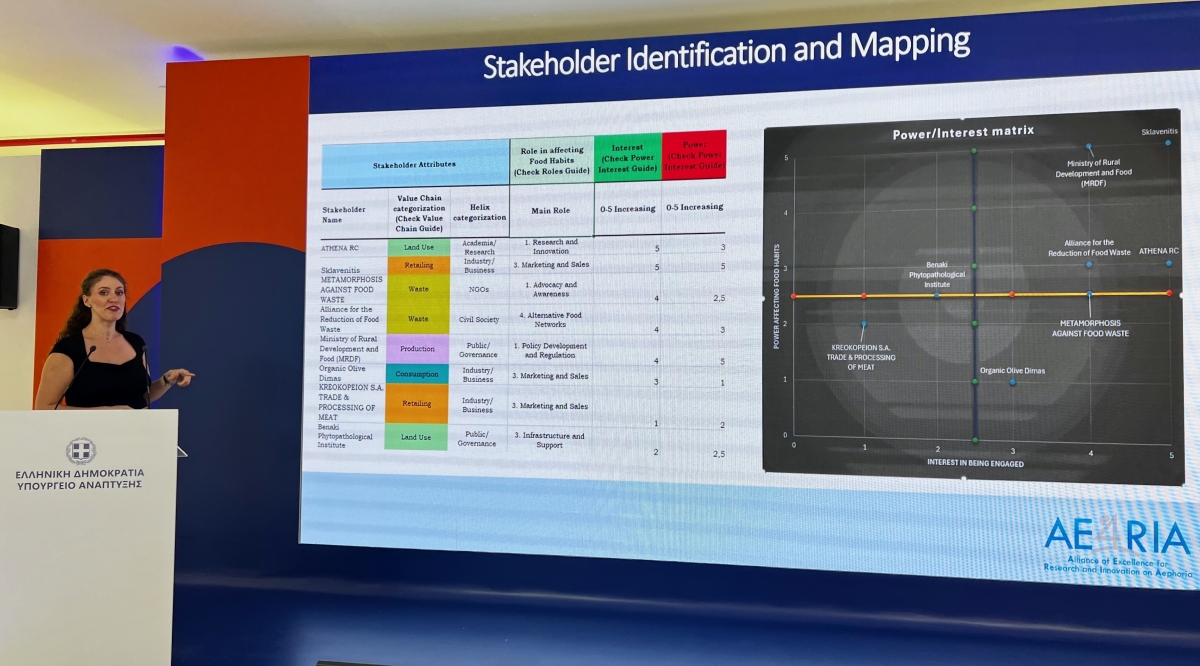
 In the field of sustainable development, Ioannis Arampatzidis presented the SDSN Global Climate Hub’s approach to connecting scientific knowledge, policy design and financing for the sustainable transition, while Lydia Papadaki highlighted the combination of Living Labs and the ESG Platform for the co-creation and assessment of measurable sustainability solutions. From the Industrial Systems Institute, Christos Alexakos presented LIBECCIO and the use of data to support evidence-based decision-making in sustainable tourism, while Giorgos Mylonas presented HERIT ADAPT and the use of technologies such as Digital Twins, Artificial Intelligence, XR and IoT to strengthen the resilience of cultural heritage areas.
Watch Athena’s talks at the 90th TIF:
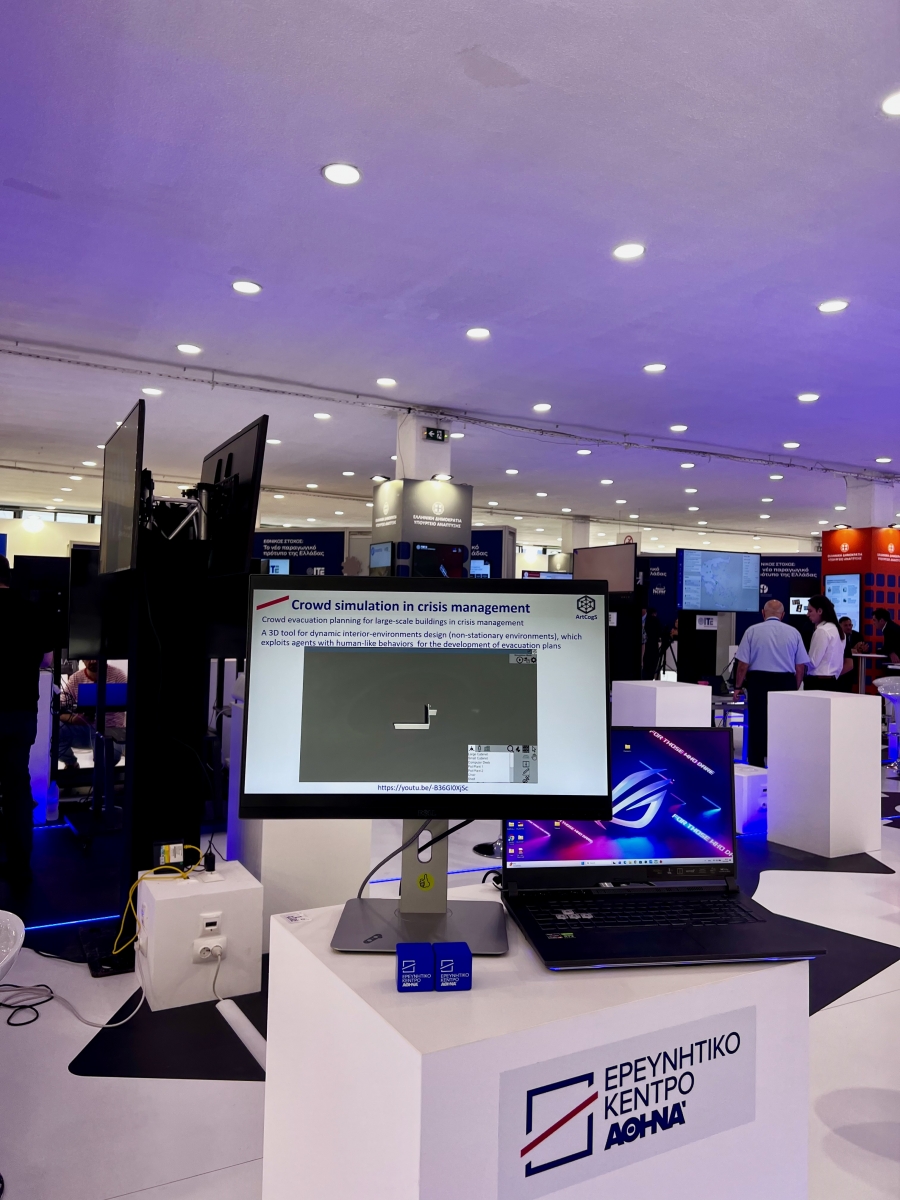
Throughout the 90th TIF, visitors had the opportunity to discover Athena’s research applications and technologies first-hand and engage with the teams behind their development. Robotics and autonomous systems, Artificial Intelligence, Health, education, next-generation networks, culture and sustainable development came together to showcase the breadth of the Center’s applied research.
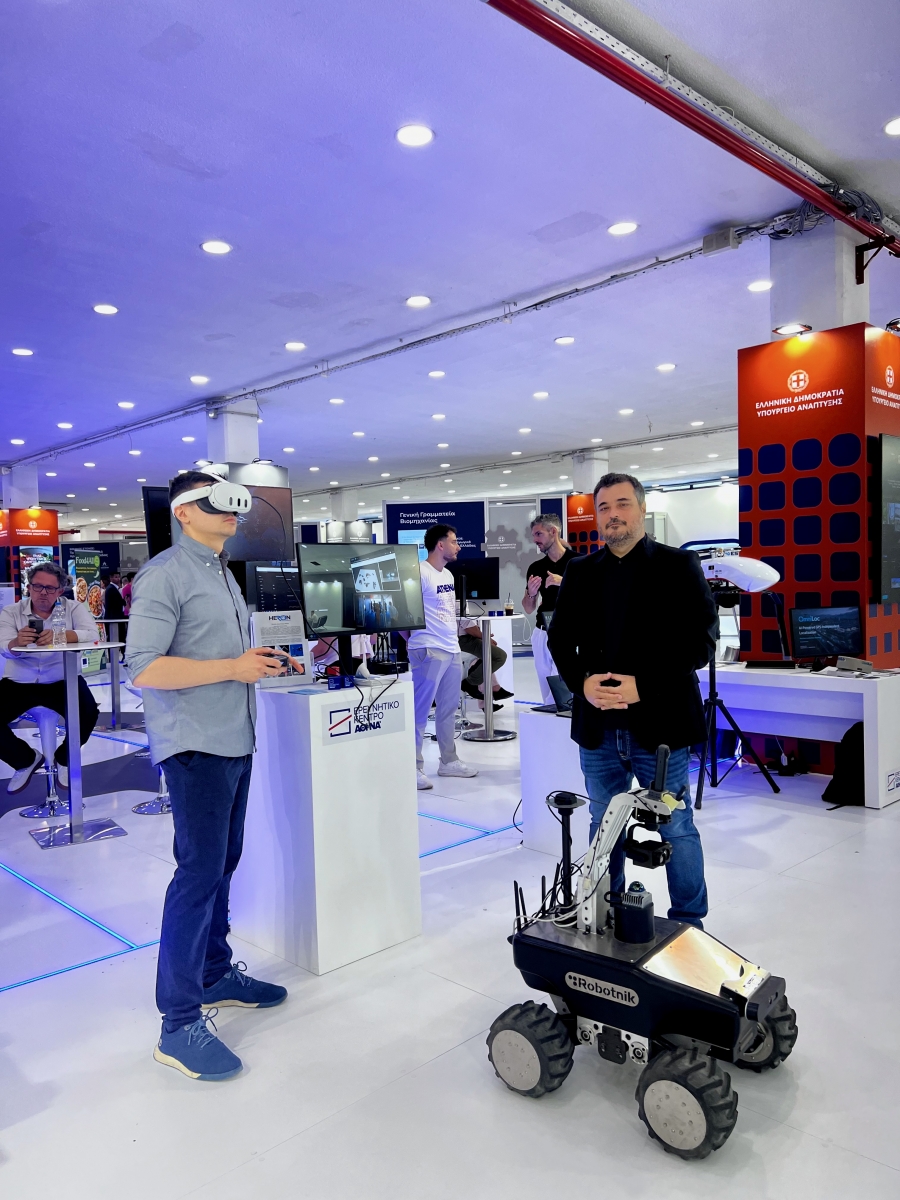
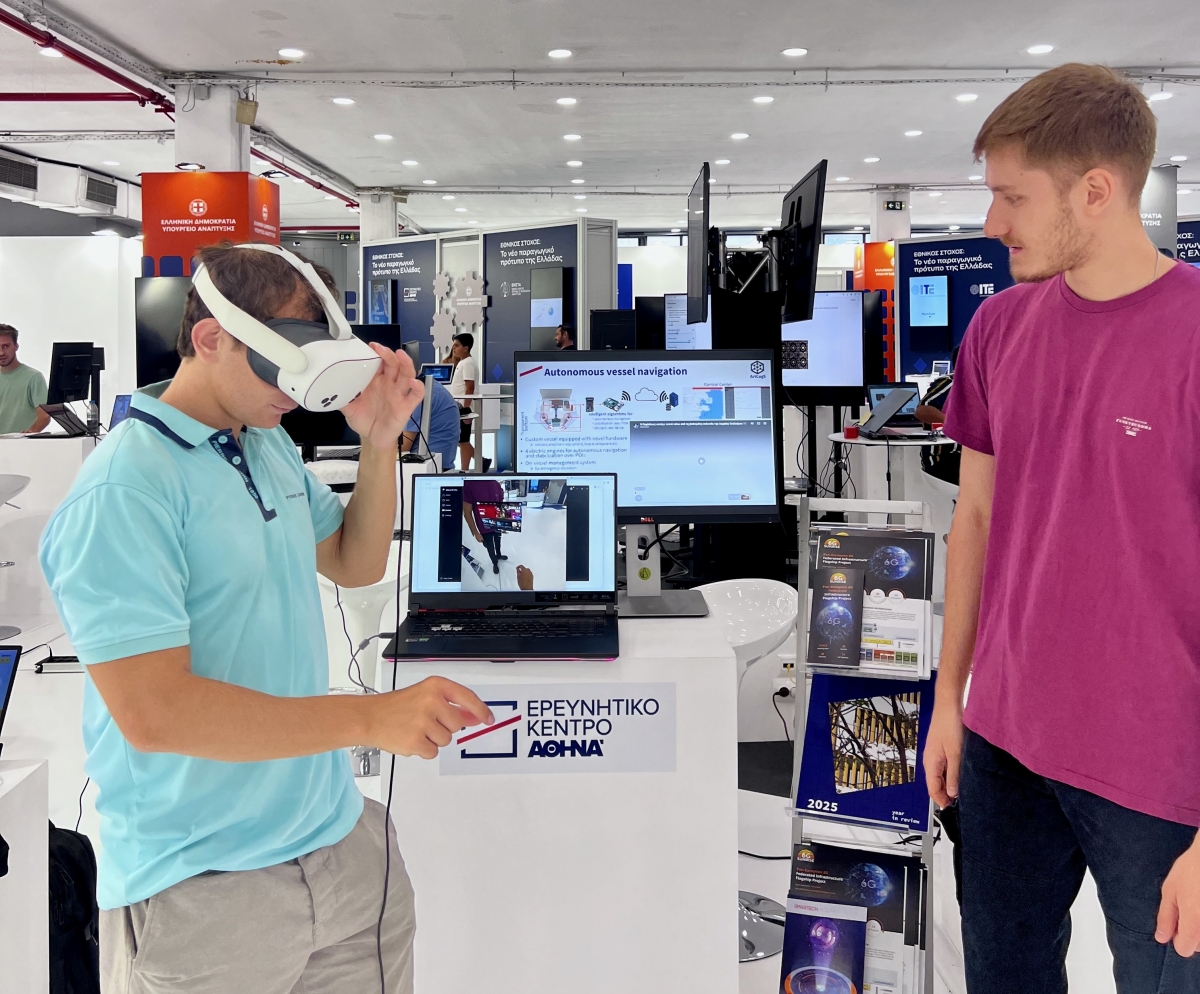
 A prominent part of Athena’s presence was OmniLoc AirGuide, a technology developed by Athena’s new spin-off OmniLoc, which combines Artificial Intelligence, satellite imagery and multi-sensor data to enable reliable navigation for drones, robotic vehicles and other autonomous systems in environments where GPS is insufficient. In Robotics, visitors also discovered the Remote Robotic Inspection of Electrical Substations system, which uses Augmented and Virtual Reality technologies to enable safer, faster and more accurate inspections of Extra-High Voltage Substations. Using a VR headset or screen, operators can control the robot while receiving live 360° imagery and real-time equipment data. The related technologies have been developed within the HERON and JARVIS projects. Visitors were also introduced to Human Perception Robotics technologies through systems capable of perceiving human actions and adapting to people and their environment.
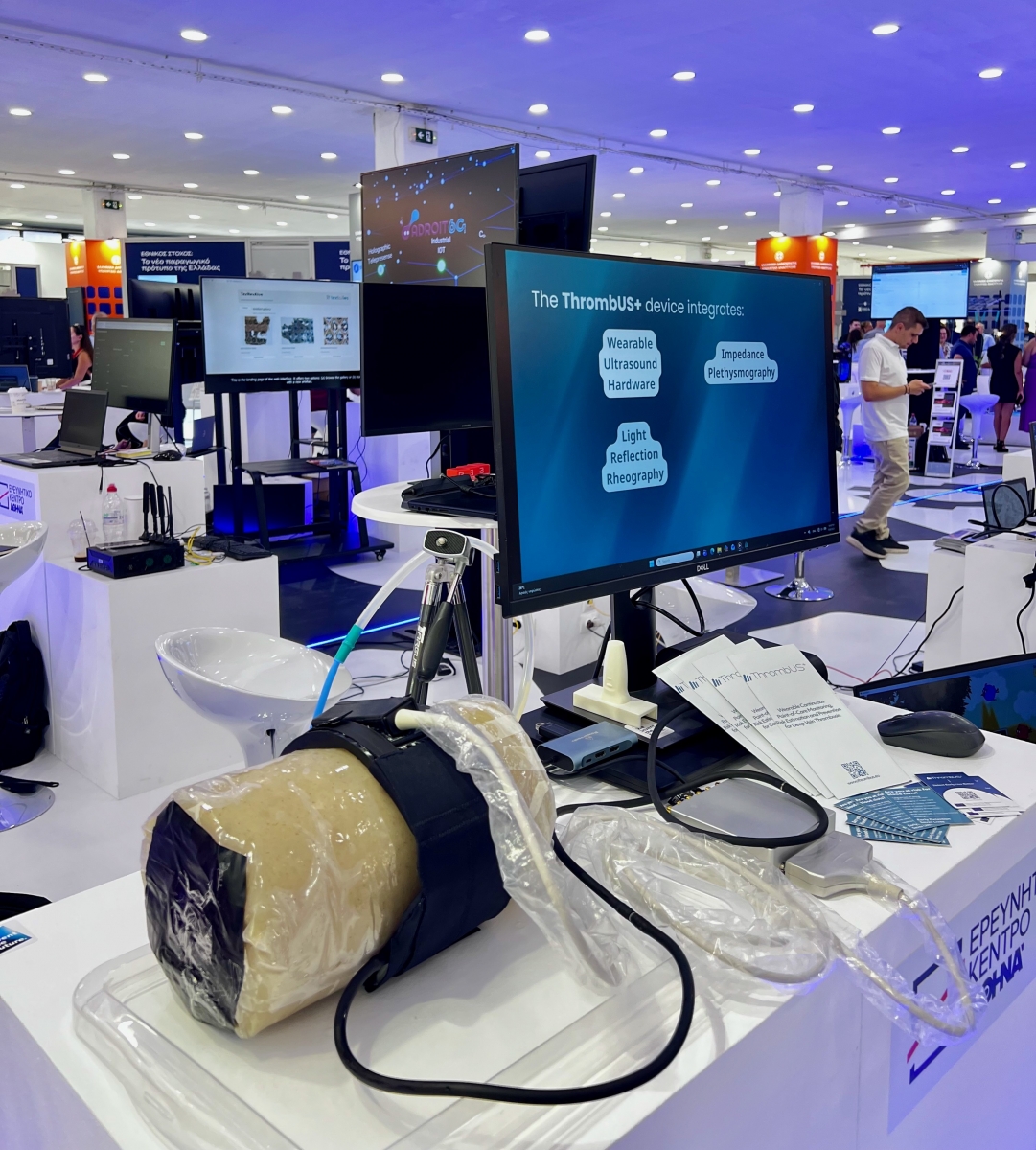 In Health, Artificial Intelligence was at the heart of applications ranging from computational tools for Digital Histopathology for Precision Diagnostics and methods for medical image annotation and diagnostic text generation to ThrombUS+, an innovative wearable device being developed to support the early detection and diagnosis of deep vein thrombosis and provide real-time data.
In education, visitors had the opportunity to interact with the Study Buddy and Teacher Mate digital assistants, which use Generative Artificial Intelligence to support students and educators, personalize learning and enhance teaching practice.
Next-generation network technologies were presented through live and interactive applications. In a demonstration featuring a mobile robot, autonomous AI agents monitored the quality of a 5G network, identified connectivity issues and initiated appropriate remediation actions, demonstrating in practice the transition towards more autonomous and proactive networks through the Agentic AI for Root Cause Analysis, Service Assurance and Autonomous Remediation in 5G Networks application. In parallel, an interactive Virtual Reality experience enabled visitors to engage with three-dimensional digital content and discover the possibilities created by the convergence of 5G/6G, Artificial Intelligence, edge-cloud computing and XR.
 From the digital Cultural Routes in the Old Town of Xanthi and ARGUS technologies for the preventive protection of monuments to PREMIERE, HERIT ADAPT, TEXTaiLES and UNICHE, Athena’s applications highlighted new approaches to documenting, protecting and experiencing cultural heritage. Artificial Intelligence, 3D digitization, Virtual and Augmented Reality, and Digital Twins are being used across a range of applications for culture and the performing arts.
Sustainable development and climate resilience took on a more experiential dimension through ARSINOE, where visitors could use Virtual Reality to explore alternative future scenarios for the same urban environment in Athens, experience the effects of different green interventions and record their preferences through interactive choices. In parallel, tools including the Decision Support Navigator, ESG Platform, GSET Cost Benefit Analysis Tool, Circular Business Canvas and Living Lab Modeller showcased different approaches to harnessing data, supporting evidence-based decision-making and designing sustainable solutions. Moving from information to personal engagement, the PSLifestyle - Test invited visitors to calculate their individual carbon footprint based on their lifestyle and discover specific, personalized options for reducing it.
Athena’s presence at the 90th TIF highlighted the breadth of the Center’s research and technological activity, as well as its connection to contemporary needs and challenges. At the same time, it created an open space for communication and dialogue with the public and the wider research and innovation ecosystem.